


Comparing Different Types of Solar Inverters in BC
So, you’re exploring the exciting world of solar power for your home or off-grid haven in British Columbia. You’ve likely considered the solar panels themselves, but have you thought about the crucial component that makes it all work: the solar inverter? Often called the “brain” of your solar system, the inverter converts the direct current (DC) electricity generated by your panels into the alternating current (AC) electricity that powers your1 appliances and home. Choosing the right solar inverter in BC is just as important as selecting the right panels. This guide will break down the main types of solar inverters, specifically grid-tie and off-grid inverters, to help you determine which best suits your needs right here in BC.
Grid-Tie Inverters: Connecting You to the BC Hydro Grid
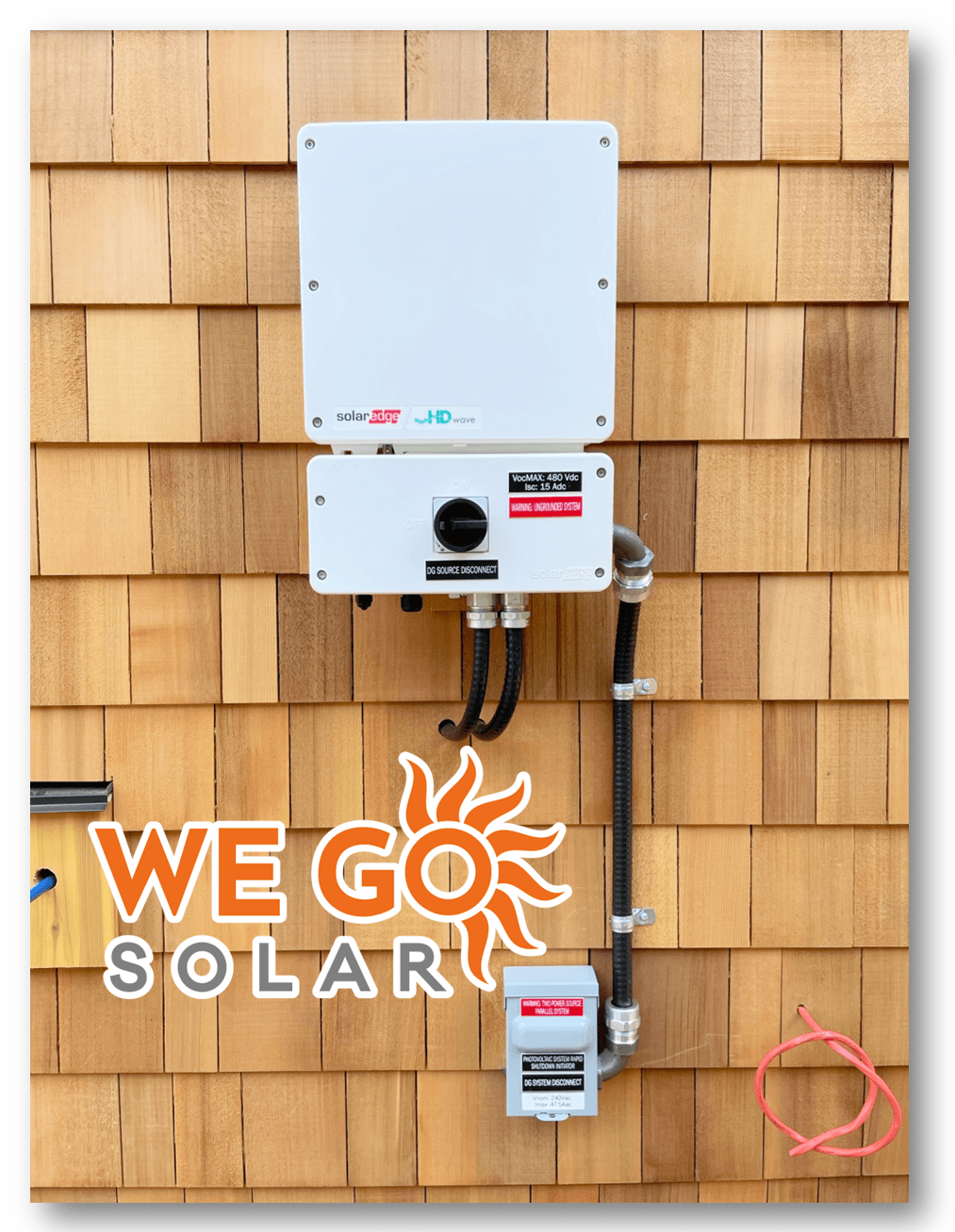
For most homeowners in British Columbia looking to adopt solar energy, a grid-tie inverter is the most common choice. As the name suggests, these inverters are designed to connect your solar panel system directly to the BC Hydro electricity grid. When your solar panels produce more electricity than you’re using, the excess power is sent back to the grid, often resulting in credits on your electricity bill through net metering programs. Grid-tie inverters are typically simpler in design and more cost-effective than off-grid inverters because they don’t need to manage battery storage.
They prioritize using the solar energy produced and seamlessly draw power from the grid when your solar production isn’t enough, such as at night or on cloudy days. A key characteristic of grid-tie inverters is their reliance on the grid to function. If the power grid goes down, your solar system will also typically shut down for safety reasons, preventing it from feeding power back into a potentially hazardous line for utility workers. For homeowners in populated areas of BC with reliable access to the BC Hydro grid and the goal of reducing their electricity bills, grid-tie inverters offer a straightforward and efficient solution.
Off-Grid Inverters: Powering Your Independent BC Lifestyle
For property owners in more remote areas of British Columbia who are not connected to the BC Hydro grid, or for those who desire complete energy independence, off-grid inverters are the essential component. Unlike grid-tie inverters, off-grid inverters are designed to work independently of the utility grid. They manage the flow of electricity between your solar panels, battery bank, and your household appliances. During the day, the solar panels charge the batteries, and the inverter draws power from the batteries to supply your electrical needs. Some off-grid systems also incorporate generators as a backup power source for extended periods of low solar production.
Off-grid inverters are more complex than grid-tie inverters as they need to regulate battery charging and discharging, and often include features like built-in charge controllers and AC-to-DC converters. The size and capacity of an off-grid inverter must be carefully matched to your energy needs and the size of your battery bank to ensure reliable power supply. For off-grid living in BC, where access to the main power grid is unavailable, a robust and properly sized off-grid inverter is the cornerstone of a self-sufficient power system.
Choosing the Right Inverter for Your Needs: Grid-Tie vs. Off-Grid
Deciding between a grid-tie and an off-grid inverter hinges primarily on your connection to the BC Hydro grid and your energy independence goals. If your property is connected to the grid and your aim is to reduce your electricity bills and contribute to clean energy, a grid-tie inverter is likely the most practical and cost-effective choice. You’ll benefit from net metering and a simpler system setup.
However, if your property is off-grid in BC, or if you prioritize complete energy independence and backup power even during grid outages, an off-grid inverter system with battery storage is necessary. While the initial investment for an off-grid system is typically higher due to the cost of batteries and the more complex inverter, it provides energy autonomy. Consider these key questions to help you decide: Are you connected to the BC Hydro grid? What are your primary goals – reducing electricity bills or achieving energy independence? Do you require backup power during grid outages? What is your budget for the solar system? Answering these questions will guide you towards the appropriate type of solar inverter for your specific situation in British Columbia.
Read more: Solar Battery Storage: Is It Right for You?
Other Types of Solar Inverters to Consider
While grid-tie and off-grid inverters are the main categories, there are also variations within grid-tie systems that are worth considering for homeowners in BC:
- String Inverters: These are the most common type of grid-tie inverter, where multiple solar panels are connected in a series “string” to a single inverter. They are generally cost-effective and suitable for systems where the panels receive consistent sunlight without shading issues.
- Microinverters: These are small inverters installed directly on the back of each individual solar panel. They offer advantages in systems with shading, as the performance of one panel won’t affect the others. They also provide panel-level monitoring. While generally more expensive upfront, they can offer better overall system performance in certain situations.
- Hybrid Inverters: These inverters combine the functionalities of grid-tie inverters with battery storage capabilities. They allow you to store excess solar energy in batteries for later use, providing backup power during outages while still being connected to the grid. Hybrid inverters are becoming increasingly popular in BC for those seeking both grid connectivity and energy resilience.
Making the Smart Choice for Your Solar Inverter in BC
Selecting the right solar inverter is a critical decision for your solar energy journey in British Columbia. Whether you opt for a grid-tie, off-grid, or another type of inverter, understanding their differences and how they align with your energy needs and location is paramount. Consider your budget, energy goals, grid connectivity, and any potential shading issues on your property.
Ready to discuss the best solar inverter solution for your home or off-grid property in BC? Contact the knowledgeable team at Wego Solar Ltd. today for expert advice and a personalized consultation!
